⚡ Key Takeaways & Direct Technical Answer
- Cutting and embossing machines combine die-cutting (flatbed or rotary) with precision embossing in a single pass, critical for luxury rigid boxes and folded cartons.
- Key specs: flatbed press tonnage (150–350 T), register accuracy (±0.1 mm), embossing depth (0.3–0.8 mm), and sheet speeds up to 9,000 sph.
- Material selection—board GSM, flute profile, and caliper—dictates die steel thickness, brass embossing plate hardness, and make-ready time.
- ROI hinges on changeover speed and plate longevity; servo-driven quick-lock systems cut job change times below 15 minutes in 2026-generation equipment.
Cutting and Embossing Machine: Engineering Specs, Selection & B2B Buying Guide
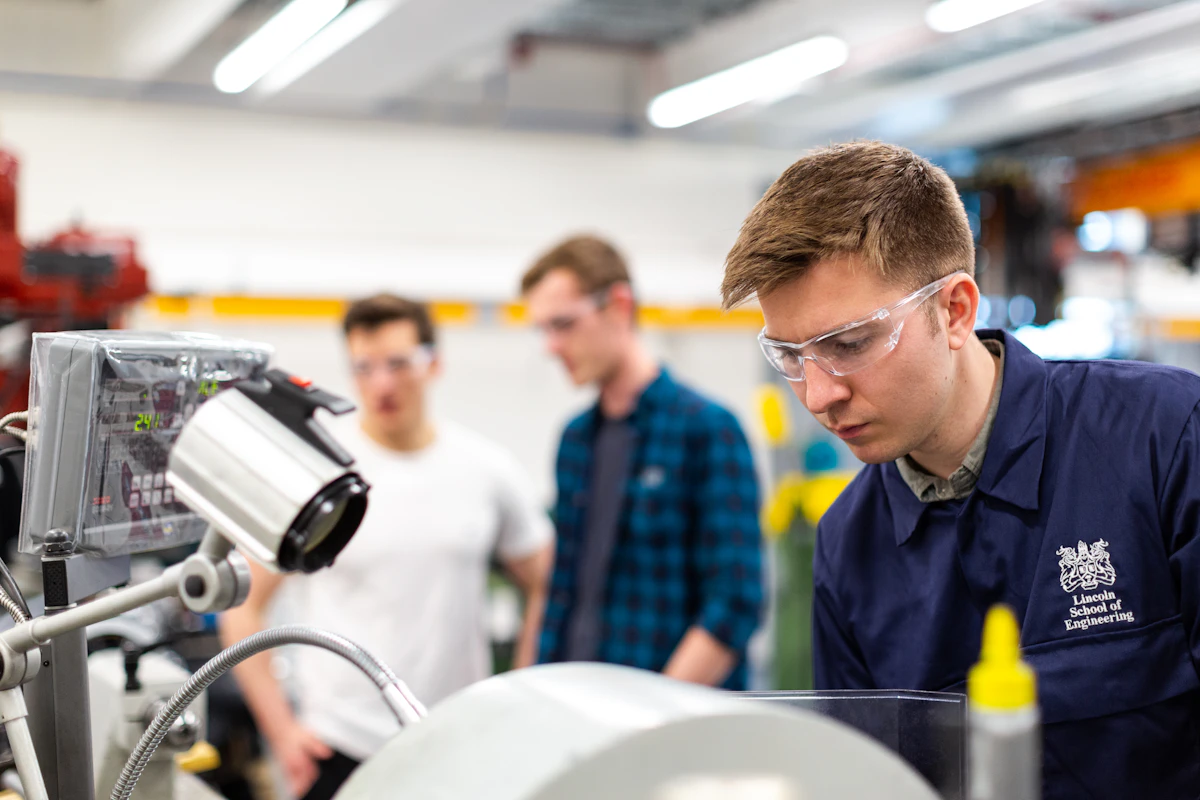
cutting and embossing machine – Material Science Lab Testing for Paper Tensile and Burst Strength (TadaPack Engineering Guide)
A cutting and embossing machine is the converting backbone for premium folding cartons, rigid box wraps, and cosmetic secondary packaging. It performs two structurally distinct operations—knife-based die-cutting and male/female plate embossing—on a single sheet-fed platform. For converters sourcing equipment in 2026, the engineering decision matrix centers on press tonnage, register precision, embossing depth control, and substrate compatibility. This guide breaks down each variable with current industrial benchmarks.
For broader process context across converting workflows, see our pillar hub on Packaging Materials & Processes.
Core Machine Architectures
Two architectures dominate B2B procurement:
Flatbed platen (sheet-fed). A vertical press closes a die board against an anvil. Tonnage ranges from 150 to 350 metric tons for cartonboard work, with heavy-duty corrugated models exceeding 400 T. Flatbed systems deliver superior register accuracy (±0.1 mm) and deeper emboss definition—essential for 600+ GSM rigid box laminates.
Rotary (cylinder) systems. Magnetic cylinders hold flexible dies against a hardened anvil cylinder. Rotary excels at labels and long-run flexible work at up to 150 m/min, but embossing depth is limited to roughly 0.3 mm—insufficient for blind emboss on recycled kraft-paper laminates above 400 GSM.
Most luxury packaging lines in 2026 pair a flatbed diecutter with an inline embossing station using quick-change brass or magnesium plates, servo-driven cam timing, and automatic stripping sections.
Critical Engineering Specifications
| Spec | 2026 Benchmark | Design Impact |
|---|---|---|
| Press tonnage | 150–350 T | Max board caliper |
| Register accuracy | ±0.1 mm | Multi-hit foil alignment |
| Embossing depth | 0.3–0.8 mm | Tactile/visual depth |
| Sheet throughput | 7,000–9,000 sph | Run-rate economics |
Tonnage and Cutting Force
Cutting force scales with perimeter length × substrate shear strength. A rule of thumb: 3.5–5 kN per linear meter of die rule for 350 GSM coated board. Corrugated E-flute (1.5 mm caliper) demands roughly 20% more force per meter than solid bleached board of equivalent weight due to flute crushing resistance. Undersized presses produce incomplete cuts and fuzzy edges—reject rates climb above 3%.
Embossing Depth and Plate Pairing
Female (counter) plates in brass or steel pair with male plates in magnesium or photo-resin. Brass, at 85–90 Shore hardness equivalent, withstands 500,000+ impressions; magnesium suits short runs under 50,000. Depth beyond 0.8 mm on boards under 300 GSM risks fiber fracture—always validate against substrate strength metrics. Board burst strength, ring crush (RCT), and edge crush resistance (ECT) per TAPPI Standard Test Methods for Paper & Board should be verified before embossing heavy textures, as localized compression reduces stacking integrity by 8–15% on flute structures.
For sustainable material selection in premium applications, our deep-dive on Sustainable Packaging Trends in Cosmetics: An Engineering Deep-Dive covers FSC-certified boards and mono-material laminates that behave differently under deep emboss.
Die and Tooling Economics
Tooling is the hidden cost driver. A multi-up CAD dieline laser-cut plywood die with steel rule runs $400–$1,200 per job; brass embossing plate sets run $800–$3,500 depending on size and hand-finish level. 2026-generation machines mitigate this through:
- Quick-lock chase systems — job changeover under 15 minutes vs. 45+ minutes on legacy mechanical cam machines.
- Laser-cut die boards replacing hand-sawn plywood, improving rule fit tolerance to ±0.15 mm.
- Digital counter-plate milling in-house, eliminating 3–5 day outsourced counter-die lead times.
Converters running mixed SKU portfolios should prioritize servo-driven machines with recipe memory (100+ stored job presets) over price-first mechanical models.
Sourcing and Integration
When benchmarking suppliers—including Asian manufacturers profiled in our Flexo Printing Machine Indonesia: B2B Sourcing & Specs Guide—verify CE/UL certification, spare-part lead times, and local gripper-to-plate alignment support. Request live trial cuts on your substrate stock, not supplier demonstration board. A credible vendor will supply ECT and burst test data for the embossed sample, not just visual samples.
Indicative 2026 procurement pricing: entry flatbed diecutters with embossing unit, $180,000–$350,000; high-speed servo models with stripping and blanking, $500,000–$900,000. Payback on a dual-shift schedule typically lands at 24–36 months for converters above 60 million sheets/year.
Failure Prevention Checklist
- Cracking at emboss edges — reduce depth or increase board moisture to 7–8% RH.
- Register drift on foil/emboss combos — inspect gripper pads; replace at 2 million cycles.
- Rule crush on flute substrates — downgrade from E-flute calipers or reduce nicks per unit.
- Counter-plate wear — audit brass plates every 250,000 impressions with depth gauges.
Spec-driven selection—not lowest sticker price—determines whether a cutting and embossing machine becomes a margin engine or a bottleneck.
Frequently Asked Questions (FAQ)
What tonnage is required for embossing 500 GSM boxboard?
Approximately 200–250 metric tons on a flatbed platen press, depending on emboss area and pattern density. Deep emboss above 0.6 mm on 500 GSM board typically requires 250 T minimum to achieve clean fiber definition without double-hitting.
How long do brass embossing plates last?
Hardened brass plates deliver 500,000 to over 1 million impressions with proper make-ready and cleaning. Magnesium alternatives last 50,000–100,000 impressions, making them cost-effective only for short-run or sampling work.
What is the difference between die-cutting and embossing on the same machine?
Die-cutting uses hardened steel rules to cut or crease the substrate under high pressure, while embossing compresses the sheet between matched male and female plates to create a raised or recessed relief. Combined machines execute both in separate stations on one sheet pass.
Engineering Your Next High-Performance Packaging Batch
From precision CAD dielines to ISTA drop-testing and certified sustainable substrates, TadaPack helps global brands optimize freight cubic volume, minimize shipping breakage, and satisfy European PPWR / EPR packaging standards.
✓ Drop-Test & ECT Optimization
✓ PPWR & FSC Compliant
