
⚡ Key Takeaways & Direct Technical Answer
- ‘Cheap’ corrugated cost is engineered via right-sized dimensions, not downgraded board.
- ECT replaces Mullen as the cost-efficient performance spec for stacking strength.
- MOQ, dieline efficiency, and ink coverage drive 15-40% unit cost savings.
- EPR fee modulation punishes mixed materials; mono-material designs cut compliance costs.
Custom Packaging Boxes Cheap: How Engineers Cut Cost Without Cutting Performance
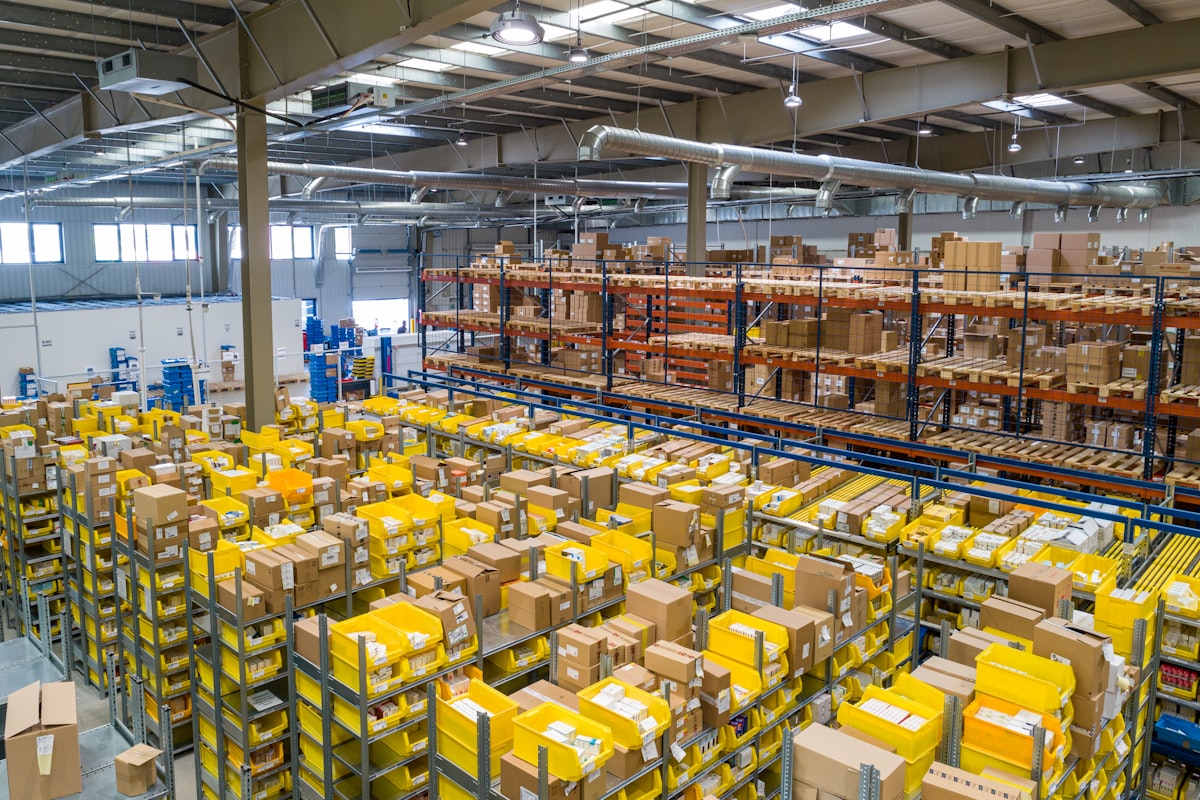
custom packaging boxes cheap – High-Speed Automated Packaging and Warehouse Fulfillment (TadaPack Engineering Guide)
Buyers searching for “custom packaging boxes cheap” usually mean “lowest total delivered cost at acceptable failure rates.” That framing matters because the cheapest quote is often the most expensive purchase: a box that fails in transit generates replacement, refund, and churn costs far exceeding the $0.08-per-unit saved. This guide breaks down the engineering levers that genuinely reduce unit cost, grounded in current 2026 corrugated market benchmarks.
Start from the structural foundation covered in our Custom E-Commerce & Retail Packaging pillar hub, then apply the cost-engineering tactics below.
Lever 1: Spec ECT, Not Mullen Bursting Strength
Legacy buyers specify Mullen burst ratings (200# / 275# test). Modern cost optimization uses Edge Crush Test (ECT) ratings instead. A 32 ECT C-flute box typically delivers equivalent stacking and compression performance to a 200# Mullen box at roughly 8-12% lower boardweight cost, because ECT-grade liners optimize vertical fiber alignment rather than burst resistance you rarely need.
Typical 2026 benchmarks for common e-commerce configurations:
| Spec | Use Case | Cost Signal |
|---|---|---|
| 32 ECT, C-flute (3.6 mm) | Standard parcel, <40 lbs | Baseline economy |
| 44 ECT, C-flute | Multi-pack, stacking >15 in | +8-10% board cost |
| 200# B-flute (2.8 mm) | Print-critical retail mailer | Premium litho substrate |
| 32 ECT, E-flute (1.5 mm) | Cosmetics, small DTC units | -15% freight density |
Down-fluting (C to B or E) when compression allows also reduces dimensional weight charges under carrier 2026 DIM divisor rules.
Lever 2: Dimensional Efficiency Beats Board Discount
The dominant cost driver is board area, not board grade. Right-sizing via a precise CAD dieline workflow cuts waste in three compounding ways:
- Nesting efficiency: A dieline that nests 5-up instead of 4-up on a standard 40″ x 60″ sheet reduces per-unit board consumption by up to 20%.
- DIM weight: Every cubic inch removed lowers parcel freight, which for DTC brands often exceeds material cost itself.
- Void fill elimination: A snug structural fit removes bubble wrap and air pillows, cutting both consumable spend and EPR packaging fee weight.
Lever 3: MOQ Strategy and Print Economics
Digital corrugated printing (single-pass inkjet) has collapsed the MOQ barrier: 500-1,000 custom-printed units are now viable at $0.35-$0.90 per mailer depending on size, versus $0.12-$0.30 at 10,000+ units on flexo. The trade-off matrix:
- Flexo post-print: Cheapest per unit above ~5,000 units; 1-2 color spot inks keep plate costs ($150-$400 per design) amortized.
- Digital single-pass: Zero plates, ideal under 3,000 units, variable data ready, but higher per-square-meter ink cost.
- Litho-lamination: Premium retail only; avoid it if “cheap” is the objective.
Ink coverage is a hidden lever: full-bleed flood coats can add 10-18% to unit cost versus a one-color logo on kraft. Reverse-printed white topsheet only where branding demands it.
Lever 4: Don’t Buy Failures — Validate Cheap Specs
The fastest way to destroy savings is skipping transit validation. Board downgrades shift failure modes to corner crush and seam burst. Before committing a downgraded spec, run it through ASTM D4169 Transit Testing Standards distribution cycles simulating your actual carrier lane’s vibration, compression, and drop shock profile. A $1,500 lab test is trivially amortized against a single damaged-SKU recall cycle.
Lever 5: 2026 Compliance Is a Cost Line Item
Extended Producer Responsibility (EPR) programs in California, Oregon, Colorado, and Maine now impose fee modulation on mixed-material and hard-to-recycle structures. Corrugated is the cheapest compliant substrate precisely because it carries low eco-modulated fees and strong recycling infrastructure. Design decisions that keep costs down downstream:
- Mono-material corrugated with water-based inks (no UV laminate, no plastic windows).
- FSC-certified fiber where client ESG procurement requires it — cost delta is now under 3% in 2026.
- Avoid wax coatings and heavy laminates that contaminate repulping and trigger penalties.
Sourcing Checklist: The Real “Cheap” Quote
Compare quotes on total landed cost per unit, not board price:
- Board grade (ECT) and flute specified in writing.
- Nesting efficiency on the cutting sheet.
- Freight terms and dimensional weight impact.
- Tooling/plate amortization schedule.
- Transit test validation for downgrades.
- EPR fee classification of the finished structure.
A vendor quoting 15% below market on board is usually cutting caliper or liner GSM. Demand TAPPI-calibrated caliper measurements and basis weight certificates per lot. That is how you buy custom packaging boxes cheap — by engineering the cost out, not hoping quality survives.
For regional sourcing trade-offs and tooling lead times, see our guides on Custom Packaging Boxes USA: Engineering Specs That Cut Cost and Custom Packaging Boxes Near Me: How to Source Locally the Right Way.
Frequently Asked Questions (FAQ)
What is the cheapest durable board grade for custom shipping boxes?
32 ECT C-flute corrugated. It matches 200# Mullen performance for most parcels under 40 lbs at 8-12% lower cost.
What MOQ is realistic for cheap custom-printed boxes in 2026?
Digital printing makes 500-1,000 units viable at $0.35-$0.90 per mailer; flexo becomes cheaper above roughly 5,000 units.
Does cheaper packaging increase damage rates?
Only if downgrades skip validation. Run downgraded specs through ASTM D4169 transit testing to confirm vibration and drop performance before scaling.
Engineering Your Next High-Performance Packaging Batch
From precision CAD dielines to ISTA drop-testing and certified sustainable substrates, TadaPack helps global brands optimize freight cubic volume, minimize shipping breakage, and satisfy European PPWR / EPR packaging standards.
✓ Drop-Test & ECT Optimization
✓ PPWR & FSC Compliant
