
⚡ Key Takeaways & Direct Technical Answer
- The Cradle to Cradle Certified label (v4.0) validates circular packaging across five categories: material health, product circularity, clean air, water stewardship, and social fairness.
- Bronze through Platinum tiers; most corrugated and paperboard converters target Silver as a commercially credible benchmark for 2026 procurement.
- Certification costs range $8K–$45K depending on SKU count and tier, offset by EPR fee modulation and retailer preference programs.
- Pairing C2C with FSC chain-of-custody and ISTA-validated structures creates a defensible compliance narrative for B2B buyers.
Cradle to Cradle Label: A B2B Packaging Engineering Guide
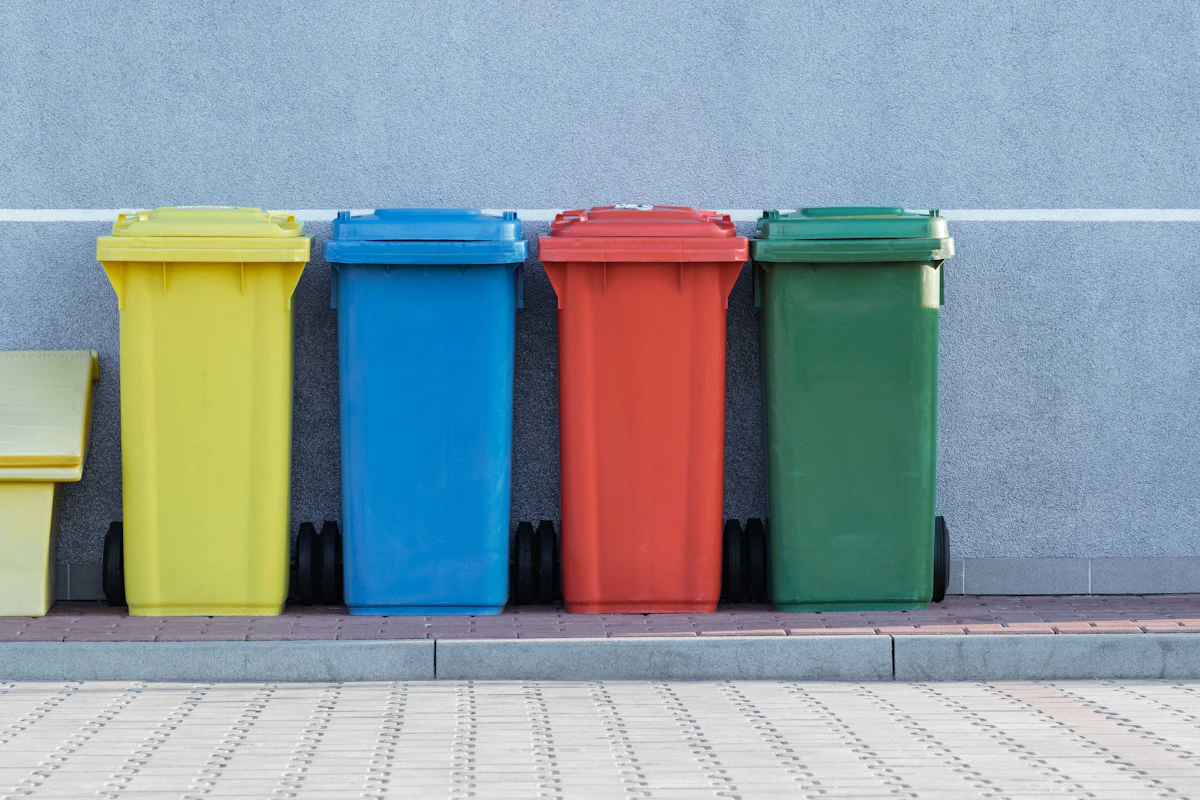
cradle to cradle label – Circular Paper Recycling and FSC Certified Forestry Management (TadaPack Engineering Guide)
The Cradle to Cradle Certified® label, administered by the Cradle to Cradle Products Innovation Institute, is the only multi-attribute circularity certification with a published product standard (Version 4.0) governing the entire packaging lifecycle. For B2B packaging suppliers, it has shifted from a differentiator to a procurement gate: 2026 RFQs from EU-exposed brands increasingly list C2C Silver as a scoring criterion alongside ISTA 3A Testing Procedure: Engineer’s Guide to Parcel Validation results.
What the Label Actually Certifies
Cradle to Cradle is not a single-issue eco-seal. Version 4.0 scores products across five categories, each mapped to five achievement levels: Bronze, Silver, Gold, Platinum. The overall product certificate equals the lowest category score, which is why weak link analytics — typically water stewardship for paper converters — cap otherwise strong portfolios.
| Category | Core Metric | Typical Bottleneck |
|---|---|---|
| Material Health | Hazard-screened chemistry | Adhesives, inks |
| Product Circularity | Recycled/renewable % | Mono-material design |
| Clean Air & Climate | Scope 1–3 CO₂e | Converter energy mix |
| Water & Soil | Effluent stewardship | Mill discharge audits |
| Social Fairness | Supply chain audits | Tier-2 traceability |
Material Health: Where Corrugated Projects Fail
Material health is the most technically demanding category for structural packaging. Every chemical input above 100 ppm must be screened against restricted and banned substance lists. In practice, three components trip up standard corrugated constructions:
- Starch-based adhesives — usually compliant, but boron-containing formulations fail immediately.
- Water-based flexo inks — heavy-metal pigment loads above Bronze thresholds require reformulation.
- Wet-strength additives — commonly block both C2C material health and repulpability scoring simultaneously.
A 2026 rule of thumb: a mono-material 32 ECT corrugated shipper with water-based ink and starch adhesive can realistically reach Silver; laminated multilayer constructions rarely clear Bronze without redesign.
Circularity Meets Structural Validation
Product circularity requires a defined recovery pathway — technical or biological cycle. Paperboard in FSC-Mix grades fits the biological cycle, especially when fiber originates from certified responsible forestry under FSC Chain of Custody Certification Standards, which guarantees deforestation-free fiber tracking from forest to converter. FSC chain-of-custody is effectively a prerequisite: C2C assessors treat certified fiber as third-party-verified renewable input.
Critically, circularity claims mean nothing if the packaging fails in transit. A Silver-certified mailer that damages goods generates net-negative environmental cost. We therefore validate every C2C-bound structure against parcel distribution reality — see our comparison ISTA 3A vs 6A: Which Certified Protocol Fits Your Shipment? to align certification claims with verified drop, vibration, and compression performance.
Cost Benchmarks for Converters and Brands
Budget expectations, based on 2026 engagement norms for mid-size packaging portfolios:
| Tier | Typical Cost (USD) | Timeline |
|---|---|---|
| Bronze | $8K–$15K | 3–5 months |
| Silver | $18K–$30K | 5–9 months |
| Gold/Platinum | $35K–$45K+ | 9–18 months |
Fees scale with SKU count and data maturity; brands with existing ISO 14001 and FSC documentation typically cut assessment timelines by 30–40% because supplier declarations already exist. Annual renewal requires ongoing data feeds, so budget roughly 15–20% of initial cost per year.
How C2C Interacts with EPR and PPWR
Under EU Regulation 2025/40 (PPWR) and expanding EPR schemes in California (SB 54), Colorado, and Oregon, circularity fees are increasingly eco-modulated. While C2C is not a statutory requirement, certified packaging supplies documented evidence of recyclability and material health that accelerates EPR fee-modulation applications. Procurement teams now treat the label as a compliance-ready dossier: the chemical inventories and recovery data required for C2C map directly onto PPWR recyclability-by-2030 declarations.
Procurement Checklist Before Specifying a Certified Label
- Verify scope: the certificate applies to specific SKUs, not the supplier’s whole catalog.
- Check expiry: certificates are valid two years; confirm the public registry entry is current.
- Demand the scorecard: request the category-level scores, not just the overall tier.
- Cross-check structures: confirm the certified material still passes your ISTA validation at current grammage and ECT values.
Bottom Line
The cradle to cradle label rewards packaging engineered for verified circularity — mono-material constructions, hazard-screened adhesives, and certified fiber. For B2B suppliers targeting 2026 enterprise accounts, Silver is the practical entry point: defensible cost, procurement recognition, and direct synergy with EPR eco-modulation. Start with material health audits of adhesives and inks; they account for the majority of first-pass failures.
Frequently Asked Questions (FAQ)
Is Cradle to Cradle Certified legally required for packaging?
No. It is a voluntary third-party certification. However, 2026 B2B procurement frameworks and EPR eco-modulation programs increasingly reward it as verified circularity evidence, making it commercially significant.
What tier should packaging brands target first?
Silver is the industry benchmark. Bronze signals entry-level compliance, while Gold/Platinum demand full life-cycle data most converters cannot produce without major capex. Silver balances cost ($18K–$30K) against buyer credibility.
Does Cradle to Cradle certification cover structural performance like ISTA?
No. C2C assesses circularity, material health, and stewardship — not transit durability. Pair it with ISTA 3A or 6A validation to prove the certified packaging survives distribution without product damage.
Engineering Your Next High-Performance Packaging Batch
From precision CAD dielines to ISTA drop-testing and certified sustainable substrates, TadaPack helps global brands optimize freight cubic volume, minimize shipping breakage, and satisfy European PPWR / EPR packaging standards.
✓ Drop-Test & ECT Optimization
✓ PPWR & FSC Compliant
