
⚡ Key Takeaways & Direct Technical Answer
- Apparel mailers and boxes should be specified by ECT (32–44 lb/in) and burst strength (175–275 kPa), not just GSM or board color.
- F-flute and E-flute corrugated deliver the best cost-to-protection ratio for folded garments in parcel networks.
- EPR and PPWR-style regulations in 2026 push brands toward mono-material, recyclable corrugated over laminated mailers.
- Rigorous sampling against ISTA transit protocols prevents the majority of apparel e-commerce damage claims.
Custom Packaging Boxes for Clothes: An Engineer’s Sourcing Guide
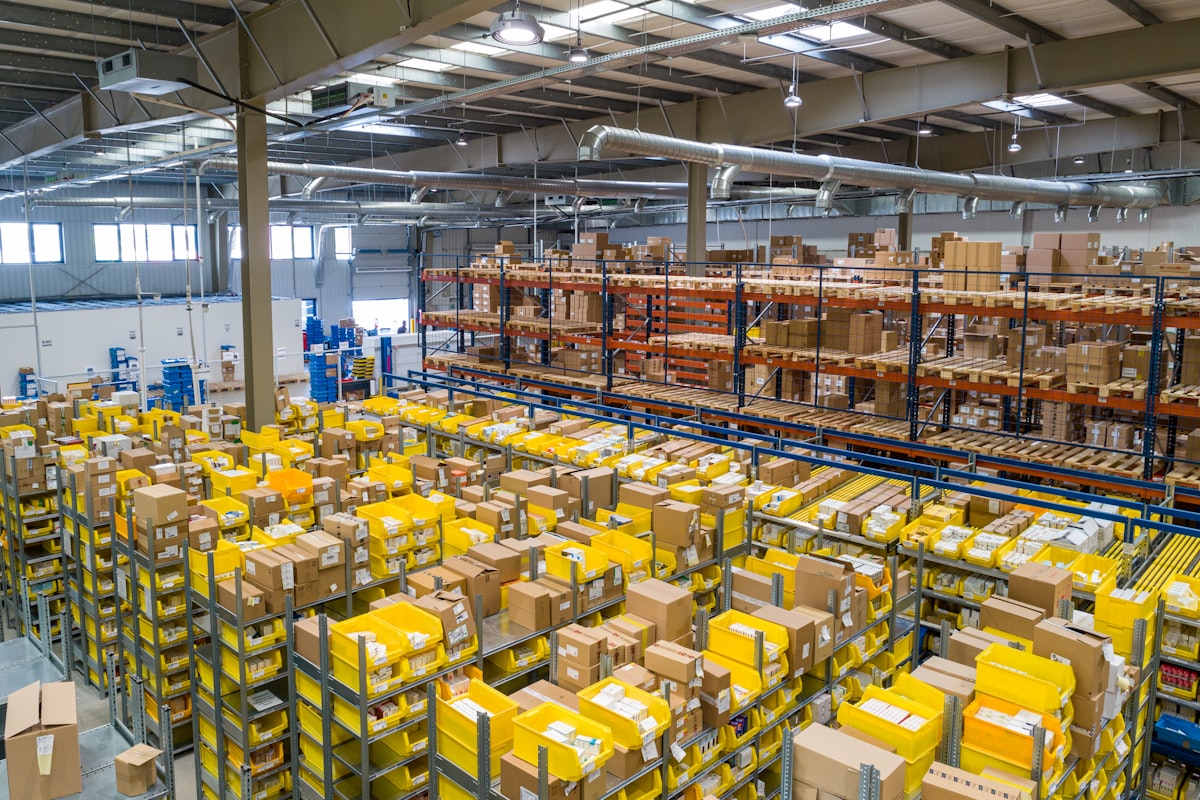
custom packaging boxes for clothes – High-Speed Automated Packaging and Warehouse Fulfillment (TadaPack Engineering Guide)
Apparel is structurally the most forgiving product category in e-commerce — garments resist shock, compression, and vibration better than glass, electronics, or rigid goods. Yet returns from packaging failures persist because brands under-specify board, ignore dimensional weight math, and skip validated transit testing. This guide covers the engineering decisions that separate a commodity mailer from a production-ready custom packaging solution for apparel, siting within our broader Custom E-Commerce & Retail Packaging pillar.
Board Selection: Corrugated vs. Paperboard vs. Rigid
Three material families dominate apparel packaging:
- Corrugated (E-flute, F-flute, B-flute): The default for parcel-shipped apparel. E-flute (≈1.5 mm) and F-flute (≈0.8 mm) offer a thin profile, clean print surface for litho-lamination, and strong crush resistance for folded garments. Specify 32 ECT minimum for boxes under 18″ in any dimension; step to 44 ECT or double-wall for bundled multi-item shipments exceeding 5 kg.
- Folding carton (paperboard, 250–400 GSM): Suited to retail-facing shirt and underwear boxes where the corrugated shipper handles transit. SBS or recycled kraft board at 300 GSM is the workhorse.
- Rigid setup boxes (1.5–2.5 mm greyboard wrapped): Reserved for premium apparel — suits, outerwear, gifting programs. Cost typically runs 4–8× corrugated per unit; justify it through brand economics, not protection.
The Structural Specification That Matters: ECT and Burst
Many apparel brands spec by GSM or wall thickness alone. That is a sourcing error. Compressive performance — what keeps a stacked box from crushing in a fulfillment trailer — is governed by Edge Crush Test (ECT) per TAPPI T 811 or Mullen burst per ISO 2759. A 200#-B / 32 ECT single-wall carton is the industry floor for standard parcel apparel. Corrugated constructions for apparel should also account for dimensional (DIM) weight billing: carriers in 2026 apply divisors around 139 in³/lb (domestic US), so a thinner F-flute at reduced set-up height directly lowers freight cost per unit shipped.
| Construction | Best Use | Key Metric |
|---|---|---|
| F-flute (0.8 mm) | Single garment mailer | 32 ECT, low DIM weight |
| E-flute (1.5 mm) | Multi-item apparel box | 44 ECT, litho-lam print |
| Rigid greyboard | Premium/gift apparel | 1.5–2.5 mm wrap |
Insert Engineering: When Apparel Actually Needs Cushioning
Folded cotton and denim tolerate transit; structured garments do not. Blazers, hats with brims, leather goods, and boxed footwear require engineered inserts. For these, we recommend reviewing our EVA vs Polyethylene Foam: Engineering Comparison Guide — EVA (Shore C 30–50) excels where firm, form-fitting retention is needed, while PE foam (1.8–2.2 PCF) provides lighter-weight shock isolation. For most apparel accessory kits, our EVA Foam vs PE Foam: Engineer’s Material Comparison breakdown shows PE foam at 25–40% lower material cost per insert with adequate protection for non-fragile goods.
Tissue paper (17–20 GSM), garment bands, and silica-free desiccants round out moisture control — critical for ocean-freight-inbound inventory stored in humid distribution centers.
Compliance: Mono-Material and EPR Pressure in 2026
Regulatory exposure is now a board-selection criterion. EU PPWR (Regulation (EU) 2025/40) mandates recyclability-by-design and recycled-content minimums phasing in through 2030, and US state-level EPR programs (California SB 54, Oregon, Colorado, Maine, Minnesota) levy fees scaled to material recyclability in 2026 fee years. Practical consequences for apparel packaging:
- Avoid plastic-laminated or foil-stamped corrugated — lamination degrades repulpability and inflates EPR eco-modulated fees. Use water-based coatings and soy or water-based inks instead.
- Specify FSC-certified or PCR-content board (typically 30–100% recycled kraft) to satisfy recycled-content targets and procurement scorecards.
- Design mono-material: paperboard + paper tape + paper void fill eliminates multi-material sorting penalties.
Transit Validation and Failure Prevention
Apparel damage claims usually trace to two failure modes: crush (under-spec’d ECT on tall stack loads) and moisture ingress (uncoated board in wet last-mile conditions). Validate every new carton spec against ISTA Transit Testing Protocols — ISTA 3A for parcel-network apparel shipments — which simulates random vibration, drops, and compression. A validated box lets you right-size wall thickness; skipping validation forces over-engineering that silently adds 8–12% to unit cost and DIM-weight freight.
Cost Optimization Checklist for Apparel Brands
- Right-size the set-up: each 1″ reduction in box height typically saves 2–4% on dimensional freight.
- Consolidate SKUs: one adjustable-score carton across garment categories beats 6 bespoke sizes on MOQ and warehousing.
- Print strategy: flexo preprint on corrugated runs 40–60% cheaper per unit than litho-laminated offset at volumes above 25,000 units.
- MOQ realism: most converters price custom apparel boxes economically at 1,000–5,000 MOQ for digital-print F-flute; expect $0.35–$0.90/unit depending on print coverage and board.
FAQ
What board grade is best for shipping folded clothes?
32 ECT single-wall F-flute or E-flute corrugated is the standard for single and double garment shipments; move to 44 ECT for bundles over 5 kg or boxes with tall stacking exposure.
Are custom apparel boxes recyclable under 2026 EPR rules?
Yes, if the corrugated or paperboard is un-laminated, uses water-based coatings, and carries no mixed-material adhesives. Mono-material paper designs qualify for the lowest eco-modulated EPR fees.
How much do custom packaging boxes for clothes cost?
Typical F-flute mailers run $0.35–$0.90/unit at 1,000–10,000 MOQ; litho-laminated E-flute with premium print runs $1.20–$2.50/unit; rigid setup boxes exceed $4.00/unit at moderate volumes.
Frequently Asked Questions (FAQ)
What board grade is best for shipping folded clothes?
32 ECT single-wall F-flute or E-flute corrugated is standard for single and double garment shipments; step up to 44 ECT for bundles over 5 kg or high stacking exposure.
Are custom apparel boxes recyclable under 2026 EPR rules?
Yes, if un-laminated, coated with water-based coatings, and free of mixed-material adhesives. Mono-material paper designs qualify for the lowest eco-modulated EPR fees.
How much do custom packaging boxes for clothes cost?
F-flute mailers typically run $0.35–$0.90/unit at 1,000–10,000 MOQ; litho-laminated E-flute runs $1.20–$2.50/unit; rigid setup boxes exceed $4.00/unit at moderate volumes.
Engineering Your Next High-Performance Packaging Batch
From precision CAD dielines to ISTA drop-testing and certified sustainable substrates, TadaPack helps global brands optimize freight cubic volume, minimize shipping breakage, and satisfy European PPWR / EPR packaging standards.
✓ Drop-Test & ECT Optimization
✓ PPWR & FSC Compliant
