⚡ Key Takeaways & Direct Technical Answer
- Bagasse tableware typically runs 240–320 GSM with 35–60 kPa wet tensile performance for hot-food service.
- PFAS-free grease barriers (flour/oil-based) are now mandatory under 2026 EPR and state bans.
- Unit costs range $0.03–$0.12 depending on forming method (pulp vs. dry-press).
- Life-cycle data under ISO 14040 confirms 60–70% lower carbon footprint vs. PLA and PET equivalents.
Molded Fiber Sugarcane Bagasse Tableware: Engineering Specs & Buyer Guide
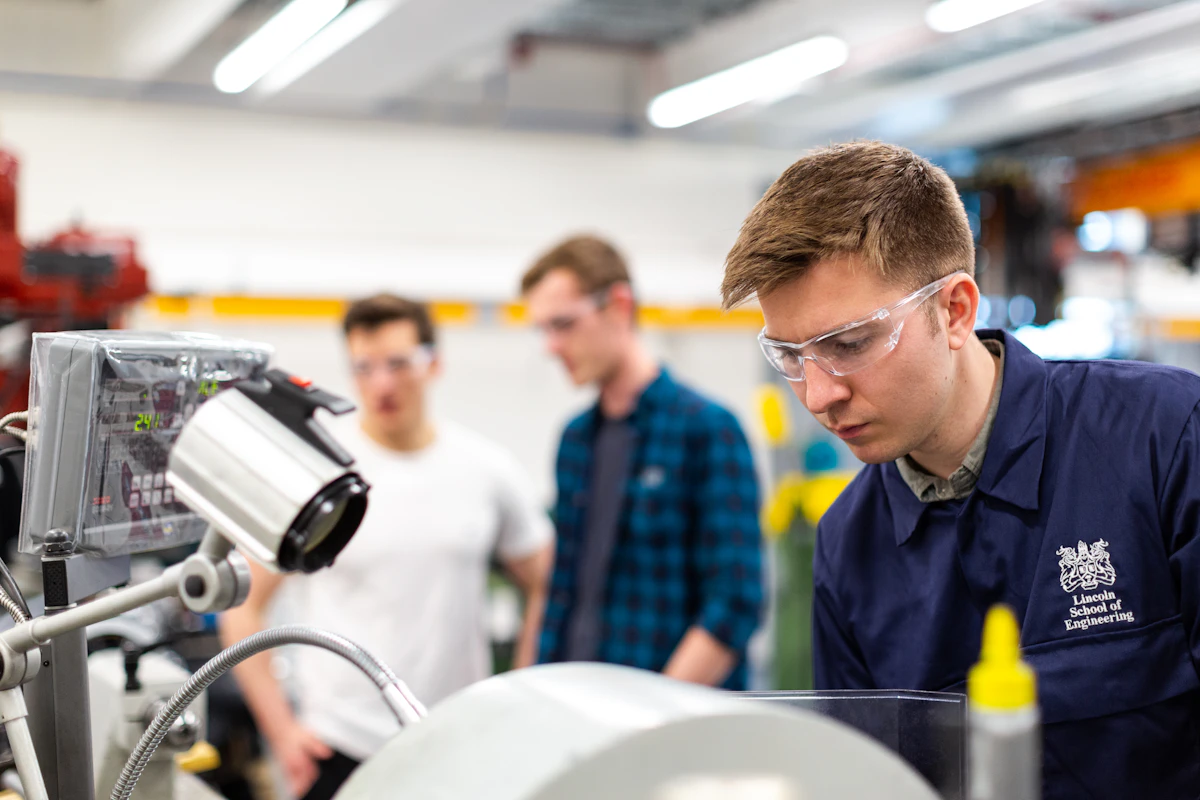
molded fiber sugarcane bagasse tableware – Material Science Lab Testing for Paper Tensile and Burst Strength (TadaPack Engineering Guide)
Sugarcane bagasse — the fibrous residue left after juice extraction — has become the dominant feedstock for molded fiber foodservice products. As a Packaging Materials & Processes pillar topic, understanding its structural behavior, compliance requirements, and cost structure is critical for procurement teams and packaging engineers sourcing tableware, clamshells, and trays at commercial volume.
Material Composition & Pulp Preparation
Bagasse pulp is produced by depithing raw sugarcane rind to remove the pith (fine parenchyma cells that reduce drainage speed). The resulting long-fiber fraction — typically 1.2–2.4 mm fiber length — delivers tensile characteristics comparable to virgin softwood kraft. Mills blend 5–15% bamboo or wheat straw pulp to fine-tune stiffness and surface finish.
Key pulping parameters affecting final part quality:
– Consistency: 0.8–1.2% slurry solids for wet-press forming
– Refining degree: 25–40° SR (Schopper-Riegler) drainage
– Retention aid: 0.3–0.5% cationic starch for fiber bonding
Structural Performance Benchmarks (2026)
Molded fiber tableware is typically specified between 240–320 GSM. Heavier plates (350+ GSM) enter premium fine-dining segments but carry disproportionate freight weight penalties. Wet tensile strength — the critical spec for hot, oily foods — is driven by fiber refinement and barrier chemistry, not by basis weight alone.
| Parameter | Typical Value | Test Method |
|---|---|---|
| Basis weight | 240–320 GSM | TAPPI T410 |
| Wet tensile | 35–60 kPa | TAPPI T456 |
| Burst strength | 180–280 kPa | ISO 2759 |
| Heat tolerance | 100–120 °C | Internal QC |
Dry-press (double-die) forming achieves tighter tolerances (±0.3 mm) and smoother surfaces suitable for direct-print branding, while conventional wet-press tooling is faster and cheaper for commodity clamshells. Engineers using Sustainable Packaging Design Software: 2026 Engineer Guide can simulate nesting ratios and wall-thickness distribution before tooling commitment, cutting typical prototyping cycles by 40%.
Grease Barrier Chemistry & PFAS Compliance
Historically, bagasse tableware relied on C8/C6 per- and polyfluoroalkyl substances (PFAS) for oil resistance. This is now untenable. Under 2026 EPR-packaging frameworks in the EU, California (SB 54), and twelve additional US states, PFAS content must fall below 50 ppm total organic fluorine — many jurisdictions enforce 20 ppm.
Current compliant barrier systems include:
– Fluoro-free fluorochemical alternatives: acrylic and polyurethane dispersion coatings at 2–4% add-on
– Mechanical densification: calendered dry-press surfaces achieving 90+ Kit rating without chemistry
– Bio-wax hybrids: carnauba/paraffin blends for cold-chain and limited-contact applications
Procurement teams should demand third-party fluorine test certificates (per EPA Method 1633) with every lot, not just annually.
Life-Cycle Assessment & Carbon Footprint
Using bagasse — an agricultural byproduct — avoids the landfill methane emissions that would otherwise result from open-field burning or dumping. ISO 14040 Environmental Lifecycle Assessment (ISO 14040) methodology, applied across cradle-to-grave boundaries, consistently shows bagasse tableware producing 60–70% lower GHG emissions per functional unit than equivalent PET clamshells and 30–40% lower than PLA.
Important caveats for engineers comparing LCA studies:
– Allocation method (mass vs. economic) significantly shifts results
– End-of-life assumption (industrial composting vs. landfill) dominates impact categories
– Transport distance from Asian manufacturing hubs adds 0.15–0.4 kg CO₂e/kg for US-bound cargo
Cost Structure & Procurement Benchmarks
Bagasse tableware unit costs in 2026 sit between $0.03 (small portion cups) and $0.12 (three-compartment clamshells) at 50k+ MOQ. Dry-pressed premium plates command a 25–40% premium over wet-press equivalents. Freight optimization — leveraging nesting depth and stack height — often saves 8–12% of landed cost and should be simulated early using modern packaging design software.
Custom tooling for proprietary shapes ranges $8,000–$25,000 for single-cavity aluminum dies, with amortization viable at volumes above 250k units. Engineers should request CAE-derived draft angles of 3–5° minimum and 1.5 mm nominal wall thickness to ensure uniform drainage and prevent web thinning.
Compliance & Disposal Pathway
Certification requirements to verify before committing to a supplier:
– BPI / TÜV Austria OK Compost INDUSTRIAL certification for commercial compostability
– FDA 21 CFR 176.170 or EU 1935/2004 food-contact compliance
– FSC Recycled or equivalent chain-of-custody documentation
– PFAS-free affidavit with per-lot fluorine testing
Bagasse products will not break down in backyard compost or landfill anaerobic conditions on commercially relevant timelines. Brands must pair the material claim with accurate consumer disposal guidance to avoid greenwashing exposure under FTC Green Guides and EU Green Claims Directive.
Key Takeaways for Packaging Engineers
Specify bagasse tableware at 280+ GSM for hot-food service, mandate third-party PFAS-free verification per lot, and model freight nesting early. As EPR fees increasingly reward mono-material compostable formats in 2026, molded fiber delivers both regulatory headroom and a genuine carbon advantage — but only when sourced from certified, well-audited supply chains.
Frequently Asked Questions (FAQ)
What GSM should I specify for hot-food bagasse tableware?
280–320 GSM is recommended for hot, oily, or wet foods. Below 240 GSM, wet tensile strength typically falls under 35 kPa and risks structural failure under 100°C+ service conditions.
Is sugarcane bagasse tableware truly PFAS-free in 2026?
Only when explicitly certified. Reputable suppliers now use fluoro-free acrylic or polyurethane barriers and can provide EPA Method 1633 fluorine test results below the 20–50 ppm regulatory threshold required under California SB 54 and EU rules.
How much does custom molded bagasse tooling cost?
Single-cavity aluminum tooling ranges $8,000–$25,000 depending on part complexity. Amortization is viable above roughly 250,000 units; dry-pressed dies command a 25–40% unit-cost premium over wet-pressed equivalents.
Engineering Your Next High-Performance Packaging Batch
From precision CAD dielines to ISTA drop-testing and certified sustainable substrates, TadaPack helps global brands optimize freight cubic volume, minimize shipping breakage, and satisfy European PPWR / EPR packaging standards.
✓ Drop-Test & ECT Optimization
✓ PPWR & FSC Compliant
