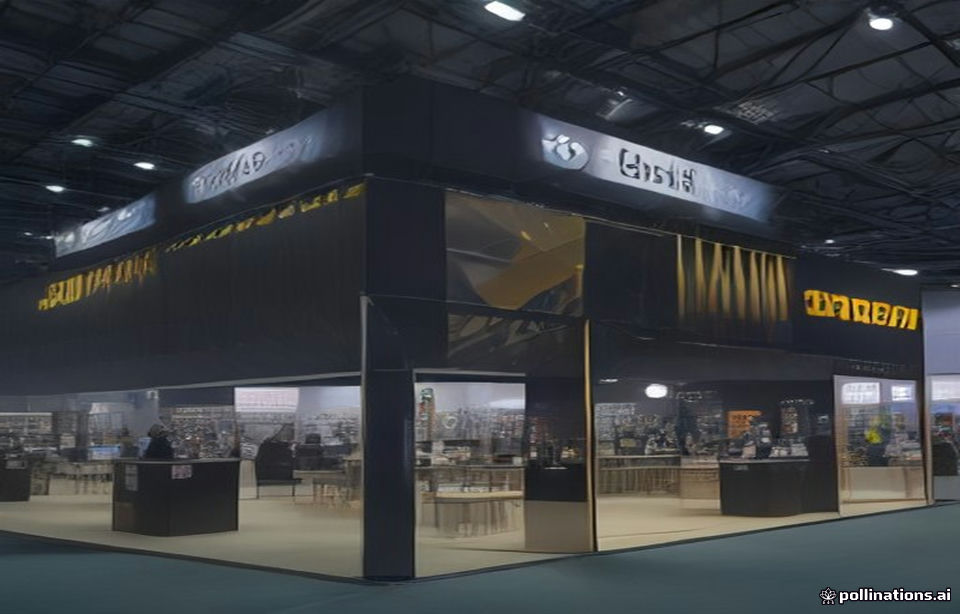
For PACK EXPO exhibitors, high-impact display packaging must balance rapid 24-48 hour structural CAD prototyping with ISTA 3A-certified transit protection for fragile samples, using ECT-32/44 corrugated and 350gsm CCNB with zero tooling fees for short-run VIP boxes. TadaPack’s free calculation tools at https://tadapack.com/tools enable real-time BCT and cushioning verification to prevent booth-setup failures.
Trade Show Floor Dilemmas: Engineering Against the 72-Hour Deadline
PACK EXPO International (PMMI) exhibitors face a unique convergence of extreme deadlines and uncompromising display quality. With booth setup often finalized within 48-72 hours of show opening, packaging engineers must deliver structural prototypes that survive both the rigors of LTL freight and the scrutiny of procurement directors. The 2026 show cycle amplifies these pressures: supply chain volatility across the Pacific and Atlantic corridors demands that transit packaging be validated against ISTA 3A General Simulation Performance Testing, while short-run VIP boxes must achieve luxury aesthetics without incurring plate mold fees that typically add $3,000-$8,000 and 10-14 days to lead times.
This guide provides a data-driven framework for exhibitors sourcing display packaging under deadline pressure. We dissect the mechanics of anti-breakage transport packaging, the physics of high-impact retail displays, and the procurement math for zero-tooling short runs. All numerical scenarios are hypothetical worked examples for engineering design purposes, not laboratory measurements.
Structural Prototyping Under Deadline: CAD-to-Cut in 24-48 Hours
The critical path for trade show packaging is not printing or assembly—it is the structural design iteration loop. Traditional packaging development cycles of 2-3 weeks are incompatible with PACK EXPO timelines. TadaPack’s rapid 24-48 hour structural CAD prototyping compresses this by using parametric dieline generation and high-speed digital cutting tables, enabling same-day physical samples for fit and function testing.
For fragile display samples—glass vials, ceramic components, precision instruments—the prototyping phase must integrate cushioning design. According to ASTM D4169 (Standard Practice for Performance Testing of Shipping Containers and Systems), vibration and drop shock sequences must be simulated for the intended distribution environment. A typical PACK EXPO scenario involves a 5 kg fragile sample shipped via LTL from a Midwest contract manufacturer to the Las Vegas Convention Center. The packaging engineer must design a corrugated inner cushioning system that limits peak deceleration to under 40 G for a 76 cm drop, per ISTA 3A.
Q: If the McKee formula derives BCT from ECT, why do overseas enterprise POs still mandate Mullen burst testing?
A: Direct metric answer: Mullen burst strength (per TAPPI T810) provides a direct measure of combined board toughness, with typical ECT-32 boards requiring a minimum burst of 200 psi (1,379 kPa). Underlying mechanical reason: ECT measures edgewise compression strength but does not capture resistance to puncture or handling damage during manual unpacking at trade show booths. Practical procurement recommendation: Specify both ECT and Mullen burst in the PO for display packaging, and verify via TadaPack’s free BCT calculator at https://tadapack.com/tools to ensure the McKee-predicted BCT exceeds the stacking load by a safety factor of 3:1.
Anti-Breakage Transport Packaging: Corrugated Mechanics and Cushioning Physics
The transport packaging for PACK EXPO display samples must withstand the cumulative stresses of LTL freight: vibration, drop shock, and stacking compression. The governing material property is Edge Crush Test (ECT), which quantifies the edgewise compression strength of corrugated board. For a typical display box weighing 8 kg with dimensions 400×300×200 mm, an ECT-32 (32 lb/in) C-flute board provides a calculated BCT of approximately 2,800 N using the McKee formula, which is sufficient for a 3-high stack in a freight container.
However, ocean transit introduces moisture absorption that degrades ECT. Per ISO 186:2020 paper conditioning specifications (23°C ± 1°C, 50% ± 2% RH), corrugated board must be conditioned before testing; in real-world 30-day ocean transit, container sweat can raise relative humidity to 85-90%, causing flute softening and up to 40% loss in compression strength. The Cobb 60 test (TAPPI T441) measures water absorption; a Cobb value exceeding 35 g/m² triggers delamination risk at glue lines. For PACK EXPO exhibitors shipping internationally, we recommend specifying a moisture-resistant coating or using ECT-44 board with a higher safety factor.
| Packaging Configuration | Typical Material | BCT (hypothetical) | Governing Standard / Test Protocol |
|---|---|---|---|
| Fragile sample transport box | ECT-32 C-flute, 350gsm CCNB liner | 2,800 N | ASTM D642 / TAPPI T810 / ISTA 3A |
| High-impact display box | ECT-44 BC-flute, 400gsm CCNB | 4,500 N | ASTM D4169 / ISO 2247 |
| VIP short-run retail box | 1.5 mm grayboard, 157gsm art paper | N/A (rigid) | EU PPWR (2024/1991) recyclability |
Short-Run High-End VIP Boxes: Zero Tooling Fees and Digital Finishing
For VIP invitations, sample kits, and executive gifts, short-run rigid boxes (50-500 units) traditionally incur plate mold fees of $3,000-$8,000 and 10-14 day lead times. TadaPack eliminates these fees through digital cutting and creasing, enabling 24-48 hour production of high-end boxes with 350gsm CCNB wrapped in 157gsm art paper. The structural integrity of these boxes depends on grayboard caliper tolerance: per TAPPI T411, caliper variance must be held to ±0.15 mm to ensure consistent lid fit and corner alignment.
For PACK EXPO exhibitors, these VIP boxes serve dual purposes: they protect high-value samples during transport and function as brand ambassadors on the booth table. The engineering challenge is achieving a premium tactile finish—soft-touch lamination, spot UV, or foil stamping—without the tooling costs of traditional offset printing. Digital UV printing on 350gsm CCNB achieves 1200 dpi resolution with no plate fees, making short runs economically viable.
Freight Stress Points: Multi-Regional Logistics and Stacking Derating
PACK EXPO exhibitors ship from global manufacturing hubs to the show venue, encountering distinct freight stress profiles. For Pacific routes (e.g., Shenzhen to Los Angeles/Long Beach), 30-day ocean transit exposes packaging to container sweat and vibration. According to ASTM D4169, vibration testing at 0.5 Grms for 1 hour simulates this environment; corrugated flute softening can reduce BCT by 30-40%. For Atlantic routes to Rotterdam, intermodal rail connections add impact shocks that require cushioning design per ISTA 3A.
Stacking load derating is critical: a typical 40 ft container stacked 3-high exerts a compressive load of approximately 4,000 N on the bottom box. Under high-humidity conditions (85% RH), ECT-32 board may only achieve 60% of its rated strength, necessitating a derating factor of 1.6. For exhibitors shipping to California’s Inland Empire (FBA ONT8/LGB3) or Texas DFW distribution hubs, ambient temperatures of 35°C can further reduce board stiffness. Use TadaPack’s free BCT calculator at https://tadapack.com/tools to model these derating factors and select the appropriate ECT grade.
Step-by-Step Engineering SOP for Trade Show Packaging Validation
To prevent booth-setup failures, follow this 4-step SOP with explicit tolerances:
- Step 1: Structural CAD Prototyping (24-48 hours). Generate parametric dieline with ±0.15 mm registration tolerance; cut and crease on digital table; verify fold alignment and lid fit.
- Step 2: Material Conditioning and Testing. Condition samples per ASTM D685 (23°C ± 1°C, 50% RH) for 24 hours; measure caliper per TAPPI T411 to ±0.15 mm; perform Mullen burst test per TAPPI T810.
- Step 3: Transit Simulation. Conduct ISTA 3A drop test from 76 cm and vibration test at 0.5 Grms for 1 hour; inspect for flute cracking or adhesive debonding.
- Step 4: Stacking Compression Validation. Apply ASTM D642 compression test at 1.6× derating factor for humidity; confirm BCT exceeds 3× stack load.
Defect Diagnostics and Troubleshooting Matrix
Defect 1: Flap popping during transit. Root cause: insufficient crease depth or adhesive failure under vibration. Corrective action: increase crease depth to 0.3 mm with 45-durometer creasing matrix; apply hot-melt adhesive with 2.5 N/cm peel strength.
Defect 2: Grayboard warping in VIP boxes. Root cause: moisture imbalance between liner and grayboard. Corrective action: condition grayboard at 50% RH for 48 hours before lamination; use 157gsm art paper with balanced moisture content per ISO 186:2020.
Frequently Asked Questions
Q: What is the fastest way to prototype display packaging for PACK EXPO?
A: TadaPack’s 24-48 hour structural CAD prototyping service uses digital cutting to produce functional samples without tooling. Submit a dieline or concept, and receive physical samples within two business days.
Q: How do I ensure fragile samples survive LTL freight to the show?
A: Design cushioning per ISTA 3A, using ECT-32 corrugated with 350gsm CCNB and a 40 G deceleration limit. Validate with drop test from 76 cm and vibration test at 0.5 Grms.
Q: What are the typical MOQs for high-end VIP boxes with zero tooling fees?
A: TadaPack offers short runs from 50 units with no plate mold fees, using digital UV printing on 350gsm CCNB. Lead time is 24-48 hours for quantities up to 500.
Q: How does humidity affect corrugated packaging during ocean transit?
A: Per TAPPI T441 Cobb 60 test, water absorption above 35 g/m² causes flute softening and up to 40% BCT loss. Specify moisture-resistant coating or derate stacking load by 1.6×.
Q: Can TadaPack help with EU PPWR compliance for trade show packaging?
A: Yes. Our team provides recyclability documentation per EU PPWR (2024/1991), including material composition and PFAS-free barrier coating verification.
Recommended Engineering Reading
[TOOLS] Featured Engineering & Calculation Tools
Explore 70+ Packaging Tools ➔Box Compression (BCT) Calculator
Predict box compressive limit and stacking safety factors via McKee formula.Edge Crush Test (ECT) Calculator
Calculate linerboard ring crush and composite ECT ratings for optimal board specs.
