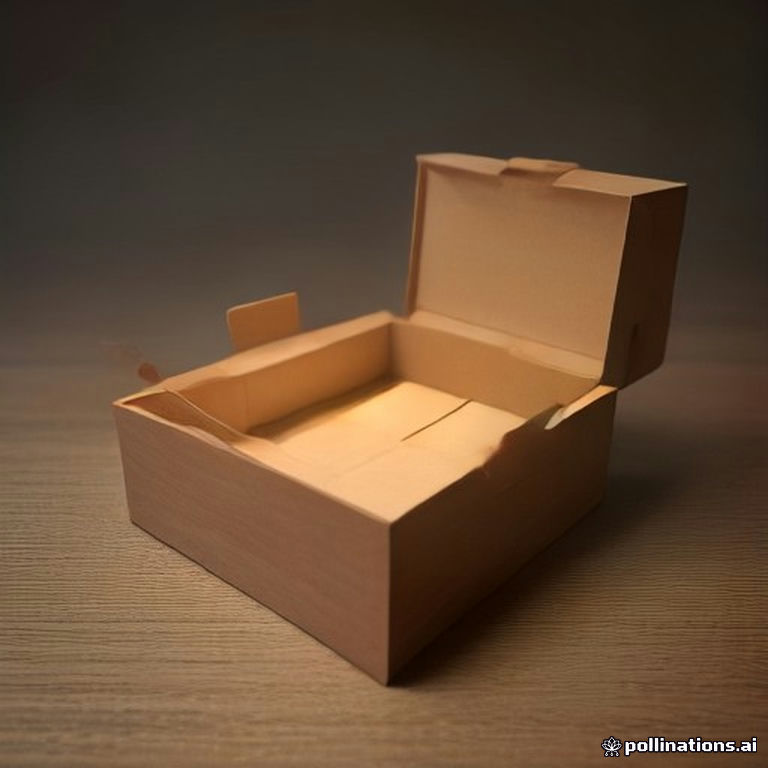
Executive Teardown Summary: The iconic Bandai-style collector toy box is a 2-piece rigid telescope (base-and-lid) construction, typically 1.5-2.0mm (1200-1600gsm) high-density grayboard wrapped in 128-157gsm coated art paper or 350gsm CCNB, with a die-cut APET/PET window, thermoformed blister or molded bagasse tray, and signature full-bleed glossy lamination plus spot UV on character art. It is fully paper-based except the window and insert, aligning with EU PPWR (2024/1991) recyclability targets and mono-material design direction.
Collectible figure and model-kit packaging has become the reference point for premium D2C unboxing: the structural confidence of a rigid telescope box, a display window that lets the product sell itself on shelf, and inserts that hold a multi-part product in exhibition pose. For procurement directors evaluating this format in 2026, the question is not whether the look can be copied — it is which substrate layers, calipers and finishing operations actually drive the BOM, and where cost can be removed without collapsing the ISTA 3A transit performance or the shelf ‘snap’ of the lid close.

What Defines Bandai-Style Toy Packaging and When It Matters
The format is functionally a rigid setup box with a presentation window and suspension insert. Unlike folding cartons (300-450gsm SBS, glued flat and erected at packing), the rigid box ships pre-assembled 3D, which raises outbound freight cube cost but eliminates packing labor and delivers a permanent shelf-grade structure. It matters commercially when: (1) unit retail price exceeds roughly $25 and the box is part of perceived value; (2) the product is fragile or pose-critical (die-cast, resin, articulated figures) and needs point-location insert retention; (3) the SKU lives on retail shelf or in unboxing-video-driven e-commerce channels where window visibility measurably lifts conversion.
Per ISO 186 conditioning specifications (23°C ± 1°C, 50% ± 2% RH), grayboard caliper must be verified after conditioning — unconditioned board can read up to 5% thicker, corrupting telescope friction fit.
Material and Engineering Spec Teardown of the Format
The table below reflects typical reference values for this construction class, benchmarked as hypothetical worked examples — not proprietary figures from any single brand.
| Component / Layer | Substrate Material | Caliper / Basis Weight | Finishing & Surface Treatment | Eco / Compliance / Test Standard |
|---|---|---|---|---|
| Base & lid board (grayboard) | High-density mixed-waste grayboard | 1200-1600gsm (1.5-2.0mm) | V-groove 90° corners (±0.2mm tolerance) on collector SKUs; taped corners on standard SKUs | FSC Mix; ASTM D642 compression validation |
| Outer wrap | 128-157gsm coated art paper or 350gsm CCNB litho wrap | 128-157gsm / 350gsm | CMYK offset, soy/vegetable inks, matte or gloss lamination, spot UV + hot foil on logo panel | Low-migration ink set; recyclable per EU PPWR fiber stream |
| Window | APET (rPET preferred from 2026 PPWR pressure; PVC phased out in EU SKUs) | 0.20-0.30mm | Die-cut aperture, glued or RF-welded to wrap | Mono-material separability target under EU 94/62/EC Annex II |
| Product insert | Molded bagasse/sugarcane pulp (replacing PVC blister in eco SKUs) or corrugated SBS tray | 1.5-2.5mm wall; 250-350gsm tray stock | Point-location retention pockets, ±0.5mm molding tolerance | PFAS-free; compostable per EN 13432 direction |
| Base liner / interior | 90-120gsm uncoated kraft or black embossed liner | 90-120gsm | Plain or single-color logo repeat | — |
| Adhesive system | Hot-melt / water-based PVA grayboard-to-wrap lamination | 15-25g/m² wet coat | Wrap registration ±1.0mm; window film registration ±0.8mm | Debond checked after 30-day humid transit simulation (ISO 2247) |
Grayboard density, not raw gsm, is the real stiffness driver: 1200gsm at 1.35g/cm³ outperforms 1400gsm at 1.1g/cm³ in lid-corner resilience. Procurement should specify density alongside grammage, per TAPPI T411 caliper measurement on conditioned specimens.
【💡 Packaging Engineer’s Quick Q&A】
Q: If the window film and pulp tray are only a small fraction of weight, why do they dominate the cost-down conversation?
Direct answer: in a typical hypothetical rigid toy-box BOM, wrap print/lamination runs 35-45% of unit cost, grayboard 25-30%, window film plus gluing operation 10-15%, and insert 10-20% — so tray and film choices swing 20-30% of total cost. The mechanical reason: window gluing and blister forming are separate conversion operations with their own setup and scrap rates, unlike board which is priced near-commodity. Practical recommendation: switch PVC blister to molded bagasse first (removes a tooling renewal each SKU refresh), then move APET to rPET for 2026 PPWR narrative value without visual loss.
Unboxing Mechanics: Telescope Friction, Drop Physics and Insert Retention
The signature ‘heavy, damped lid close’ of this format is a controlled friction problem. Lid-to-base interference of 0.3-0.8mm per side wall produces the resistance band; below 0.2mm the lid slides off under tilt during e-commerce last-mile (a top defect in ISTA 3A sequence), above 1.2mm users warp the grayboard corners on repeated opening. Humidity shifts this tolerance: at 90% RH for 48 hours grayboard can swell 2-3% in caliper, which is why ocean-freighted SKUs should be designed at the lower end of the interference band with corner wrap (not V-groove) corners on non-collector lines.
For drop protection, ISTA 3A (parcel, single-package) requires a sequence including conditioned handling drops and randomized vibration; the rigid board stack alone typically cannot protect a die-cast or resin figure — retention geometry does the work. Molded pulp or corrugated inserts must prevent any insert-to-figure excursion greater than the free-fall clearance inside the box; a practical design target is ≤3mm product movement at 760mm flat drop, verified per ASTM D5276-style free-drop methodology on the packed unit. Two small vent details matter: pinholes or thumb notches (Ø8-10mm) at the lid edge release the air cushion during a fast pull-down, keeping the descent controlled at roughly a 2-3 second feel rather than a pneumatic pop; this is purely kinematic, not a strength feature, and should not be placed within 15mm of a structural corner.
【💡 Packaging Engineer’s Quick Q&A】
Q: Why does a rigid box that passes ASTM D642 compression still arrive crushed at FBA hubs?
Direct answer: D642 measures dry, conditioned box strength, whereas warehouse stacking applies long-duration creep — safe working load is typically 40-50% of BCT. The mechanism: grayboard creeps under sustained load, and humid coastal Inland Empire or Rotterdam ambient conditions derate stacking further. Procurement recommendation: derate the stacked column with a humidity factor and verify column load at tadapack.com/tools before committing to a master-carton count.
Cost-Down Replication for Scaling Brands: 80% of the Luxury at 40-60% Less
Four substitutions deliver most of the saving without collapsing the experience:
- Grayboard substitution: drop from premium 2.0mm V-grooved board to 1.5mm tape-cornered grayboard with a heavier-feel 157gsm soft-touch laminated wrap. Perceived rigidity is dominated by wrap finish and lid resistance, not the last 0.5mm of board — saves 20-30% on board cost.
- Wrap simplification: replace 157gsm art with 128gsm and a spot-gloss-only finish; eliminate hot foil except on the front logo panel. Foil dies are a recurring per-SKU tooling cost that soft lamination plus spot UV replicates at roughly one-third the finishing cost.
- Insert swap: molded bagasse tray or corrugated E-flute tray instead of thermoformed PVC blister — removes per-SKU blister tooling and supports PPWR mono-material recyclability claims substantiated under FTC Green Guides (16 CFR Part 260).
- Window strategy: on lower-value SKUs, replace the film window with a die-cut aperture backed by the printed inner liner (open-window look) or reduce the window to a 60% area patch.
Zero-tooling CAD sampling changes the economics of this whole exercise: TadaPack produces structural prototypes directly from dieline CAD (V-groove and wrap registration simulated digitally before any cutting die is cut), letting procurement teams A/B a 1.5mm vs 2.0mm lid resistance and a pulp vs corrugated tray in one sample round. Run stacking, freight cube and BCT estimates through the free calculators at https://tadapack.com/tools before the PO — Amazon FBA dimensional-weight penalties on oversized rigid boxes frequently exceed the entire savings of an aggressive material cost-down.
【SOP: Verifying a Rigid Toy Box Sample Before Production Release】
Step 1: Condition samples 24h at 23°C ± 1°C, 50% RH per ISO 186; measure grayboard caliper per TAPPI T411 — accept ±0.1mm on 1.5-2.0mm board.
Step 2: Cycle the telescope 20×; log lid removal force — target resistance band equivalent to 0.3-0.8mm wall interference, no corner whitening or wrap lift.
Step 3: Pack a weighted product dummy and run the ISTA 3A drop sequence at 760mm; confirm ≤3mm product excursion and zero window film delamination.
Step 4: Hold a finished carton 48h at 90% RH, then re-check wrap debond and lid friction; reject any adhesive system showing edge lift beyond 2mm.
Defect Diagnostics and Typical Applications
Wrap debonding after ocean transit: root cause is water-based PVA adhesive plasticized by container sweat; corrective action is raising adhesive coat toward 25g/m² or switching corner-critical panels to hot-melt, plus desiccant load in master cartons on Pacific corridor shipments.
Grayboard warping / lid won’t seat: classic differential-hydration defect — wrap printed one-side only with heavy ink coverage pulls the board into a curl. Corrective actions: balance ink coverage between front and back of the wrap, specify two-side-moisture-sealed lamination film, and require lamination to occur within 24h of printing.
Typical applications for this construction in 2026: collectible figures and model kits (the reference format), die-cast vehicles, premium electronics accessories, board-game collector editions, and D2C ‘hero SKU’ gift boxes — anywhere the box itself must justify a $30+ price point and survive parcel networks under ISTA 3A.
Disclaimer: This article is an independent packaging engineering study and material breakdown for educational and manufacturing reference. TadaPack is not affiliated with or endorsed by the referenced brand. All numerical values are typical reference ranges or hypothetical worked examples, not proprietary test records.
Recommended Engineering Reading
[TOOLS] Featured Engineering & Calculation Tools
Explore 70+ Packaging Tools ➔CBM Volume & Freight Dim-Weight Calculator
Calculate cubic meters & dimensional weight to minimize freight costs and avoid FBA size tier penalties.Mailer Box Area & Dieline Size Calculator
Instant flat dieline dimensions, material consumption, and sheet nesting for custom D2C mailer boxes.
