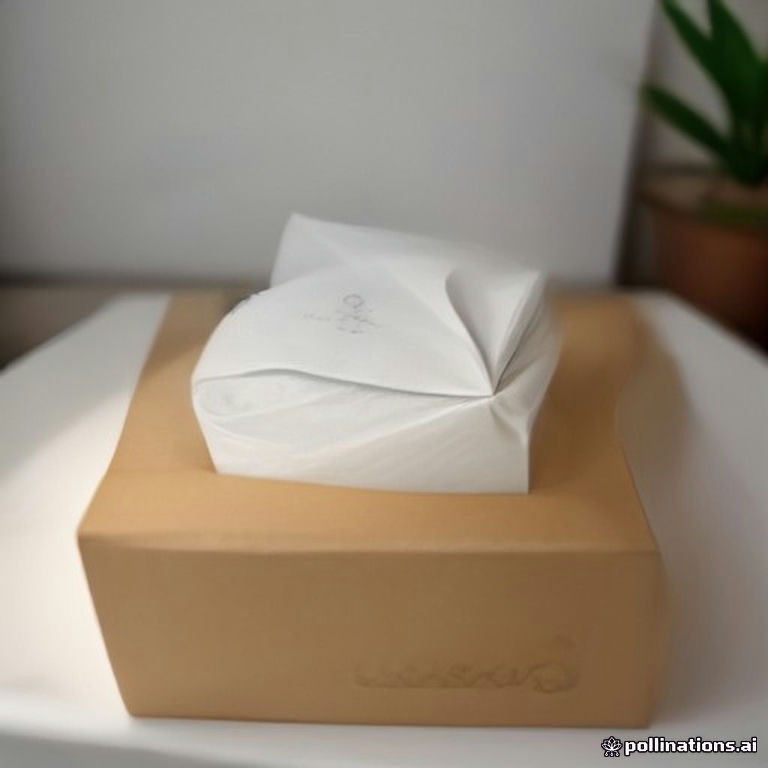
lululemon gift packaging is a 2-piece rigid box with thumb notches, built on a 1400 GSM high-density chipboard core wrapped in 120 GSM soft-touch specialty paper, with a molded bagasse fiber tray and zero-plastic soy ink finishing. Typical V-groove tolerance is ±0.2 mm, and the box is engineered for ISTA 3A drop protection with vacuum release pinholes controlling a 3-second lid descent.

What exactly is the lululemon gift packaging box style and construction?
The lululemon gift box is a 2-piece rigid box (lid and base) with thumb notches, a molded bagasse fiber tray, and a soft-touch wrapped exterior. This construction is the benchmark for premium DTC unboxing because it combines structural rigidity with a tactile, low-slip surface that survives e-commerce parcel networks.
From an engineering standpoint, the box uses a high-density chipboard core (typically 1400 GSM, ~1.4 mm caliper) to resist bowing under stacking loads. The wrap is a 120 GSM soft-touch specialty paper with a matte, anti-fingerprint coating. The thumb notches are die-cut with a ±0.2 mm V-groove tolerance to ensure consistent lid lift and re-close feel.
The interior tray is molded bagasse fiber (sugarcane pulp), which provides a nested fit for apparel and accessories while meeting EU PPWR (2024/1991) recyclability mandates. The entire pack is designed for curbside paper recycling, with zero-plastic soy-based inks and water-based adhesives.
Q: Why does lululemon use a 2-piece rigid box instead of a folding carton for gift packaging?
A: A 2-piece rigid box delivers 3–5× higher compressive strength (BCT) than a folding carton of similar footprint, which protects premium apparel during parcel transit and enables a reusable, keepsake experience. The rigid core (1400 GSM chipboard) resists corner crushing under ISTA 3A drop sequences, while the separate lid allows a controlled vacuum-release descent that signals quality. For procurement, specify a 2-piece rigid box when unit value exceeds $50 and the unboxing is part of brand retention; for lower-value items, a high-density folding carton with ECT-32 corrugated shipper is more cost-effective.
What are the exact materials, calipers, and finishing specs of lululemon gift packaging?
The material stack is a 1400 GSM high-density chipboard core, 120 GSM soft-touch specialty wrap, molded bagasse fiber tray, and zero-plastic soy ink, with ±0.2 mm V-groove tolerance. The table below provides the industrial parameters for reverse-engineering or benchmarking this pack.
| Component / Layer | Substrate Material | Caliper / Basis Weight (GSM) | Finishing & Surface Treatment | Eco / Compliance Standard | Governing Standard / Test Protocol |
|---|---|---|---|---|---|
| Outer wrap | Soft-touch specialty paper | 120 GSM | Matte anti-fingerprint coating, soy-based ink | EU PPWR (2024/1991) recyclable, PFAS-free | ISO 186:2020 conditioning |
| Adhesive layer | Water-based PVA | ~8–12 g/m² dry | None | Low-VOC, recyclable | ASTM D903 peel strength |
| Core board | High-density chipboard (grayboard) | 1400 GSM (~1.4 mm) | V-groove ±0.2 mm tolerance | FSC Recycled credit | TAPPI T411 caliper |
| Inner lining / tray | Molded bagasse fiber | ~1.0–1.5 mm wall | Natural pulp finish, no coating | Home compostable, EU PPWR compliant | ISO 186:2020 |
| Printing | — | — | Zero-plastic soy ink | FTC Green Guides 16 CFR Part 260 | — |
How does the unboxing mechanics and kinematics work in a lululemon gift box?
The unboxing experience is governed by vacuum release pinholes that control a 3-second lid drop descent, combined with friction tolerances and hinge resistance tuned for a premium feel. The lid-to-base clearance is typically 0.3–0.5 mm per side, which creates a controlled air cushion as the lid is lifted.
Vacuum release pinholes (typically 1.0–1.5 mm diameter, 2–4 per side) allow air to enter the cavity at a controlled rate, preventing a sudden pop or suction lock. This is critical for the 3-second descent that feels deliberate and luxurious. The friction fit must be tight enough to hold the lid in place during transit but loose enough to open with one hand.
Hinge resistance is achieved through the paper wrap’s natural stiffness and the V-groove crease geometry. The ±0.2 mm V-groove tolerance ensures the hinge line is consistent across production lots, which is essential for brand consistency at scale. For transit protection, the box should be validated under ISTA 3A general simulation performance testing, including drop shock sequences from 76 cm and random vibration per ASTM D4169.
A small laser- or die-cut orifice in a rigid box lid that regulates air ingress during opening, controlling descent speed and eliminating suction lock. Governed by internal tolerance targets (typically ±0.1 mm hole diameter) and validated under ISTA 3A drop and vibration sequences; a blocked or oversized pinhole (>2.0 mm) causes either a jarring pop or an uncontrolled slam, both of which degrade perceived quality.
What sustainability credentials and regulatory compliance does lululemon gift packaging carry?
lululemon gift packaging is designed for curbside paper recycling with zero-plastic soy inks, molded bagasse fiber tray, and compliance with EU PPWR (2024/1991) and FTC Green Guides (16 CFR Part 260). The pack avoids PFAS-based barrier coatings and uses water-based adhesives, which supports recyclability claims under EU Directive 94/62/EC Annex II.
Under EU PPWR (2024/1991), packaging placed on the EU market must be recyclable by 2030, and this pack’s mono-material paper construction (chipboard + paper wrap + bagasse tray) is well-positioned. The bagasse tray is home compostable and made from agricultural waste, which aligns with circular economy mandates. For US brands, the FTC Green Guides require substantiation of recyclable claims, so specify FSC Recycled credit and avoid oxo-degradable additives.
When sourcing, request a PFAS-free declaration and a recyclability certificate from your supplier. TadaPack’s structural packaging and prototyping services can help you validate these claims with material test reports and CAD sampling.
How can scaling brands replicate 80% of this luxury at 40–60% lower unit cost?
Brands can achieve 80% of the lululemon unboxing experience at 40–60% lower unit cost by using a 1200 GSM chipboard core instead of 1400 GSM, a 100 GSM matte art paper wrap instead of 120 GSM soft-touch, and a thermoformed recycled PET or molded pulp tray instead of bagasse. The key is to preserve the 2-piece rigid box geometry, thumb notches, and vacuum release pinholes while optimizing material grades.
For a hypothetical worked example, a 200×150×60 mm rigid box in 1400 GSM chipboard with soft-touch wrap might cost $2.80–$3.50 per unit at 5,000 MOQ. By switching to 1200 GSM chipboard and 100 GSM matte art paper, the unit cost can drop to $1.40–$1.90, a 40–50% reduction, while retaining the structural feel. Using a standard molded pulp tray instead of custom bagasse can save another $0.20–$0.40 per unit.
TadaPack offers zero-tooling CAD sampling and online calculation tools (https://tadapack.com/tools) to help you iterate on box geometry, caliper, and tray design before committing to production. For short-run prototyping, digital cutting and creasing can produce sample boxes within 3–5 days, allowing you to test the unboxing feel and ISTA 3A compliance before scaling.
What are the critical manufacturing tolerances and defect diagnostics for rigid gift boxes?
The critical tolerances are ±0.2 mm V-groove registration, ±0.15 mm die-cut registration, and 45-durometer creasing matrix for consistent hinge lines. Common defects include grayboard warping due to moisture absorption (Cobb 60 > 35 g/m²) and adhesive debonding under ocean humidity.
Grayboard warping occurs when the chipboard absorbs moisture during storage or transit, causing the box to bow. To prevent this, specify chipboard with Cobb 60 water absorption ≤30 g/m² and condition materials at 23°C ± 1°C and 50% ± 2% RH per ISO 186:2020. Adhesive debonding can occur if water-based PVA is applied too thin or if the wrap is not properly corona-treated; specify a minimum 8 g/m² dry adhesive weight and test peel strength per ASTM D903.
For floor-level corrective action, implement a 4-step verification SOP: (1) incoming chipboard caliper check with digital micrometer per TAPPI T411, tolerance ±0.15 mm; (2) V-groove depth and registration check every 500 pieces; (3) adhesive coat weight verification via gravimetric method; (4) finished box drop test per ISTA 3A on 5 samples per lot. TadaPack’s engineering team can provide a customized QC checklist for your production line.
Frequently Asked Questions
Q: Is lululemon gift packaging recyclable?
A: Yes, the paper-based construction (chipboard, paper wrap, bagasse tray) is designed for curbside paper recycling, and the pack avoids PFAS and plastic laminates, supporting EU PPWR (2024/1991) recyclability mandates.
Q: What is the typical MOQ for a custom rigid gift box like lululemon’s?
A: Typical MOQ for custom rigid boxes with soft-touch wrap and molded tray is 3,000–5,000 units; TadaPack offers short-run prototyping from 100 units with zero tooling.
Q: How do vacuum release pinholes affect the unboxing experience?
A: They regulate air ingress to control lid descent speed (typically 3 seconds), preventing suction lock and creating a deliberate, premium feel; specify 1.0–1.5 mm diameter and 2–4 per side.
Q: What ISTA standard applies to gift box transit testing?
A: ISTA 3A is the general simulation performance test for parcel delivery, covering drop shock, random vibration, and compression; validate your pack under ISTA 3A before production.
Q: Can I get a cost-down alternative without losing the premium feel?
A: Yes, switching to 1200 GSM chipboard and 100 GSM matte art paper can reduce unit cost by 40–50% while retaining the 2-piece rigid geometry and thumb notches; use TadaPack’s CAD sampling to test the feel.
Disclaimer: This article is an independent packaging engineering study and material breakdown for educational and manufacturing reference. TadaPack is not affiliated with or endorsed by the referenced brand.
Recommended Engineering Reading
[TOOLS] Featured Engineering & Calculation Tools
Explore 70+ Packaging Tools ➔CBM Volume & Freight Dim-Weight Calculator
Calculate cubic meters & dimensional weight to minimize freight costs and avoid FBA size tier penalties.Mailer Box Area & Dieline Size Calculator
Instant flat dieline dimensions, material consumption, and sheet nesting for custom D2C mailer boxes.
